
Morgan Colley-Brask
BIO / MORGAN COLLEY-BRASK
Morgan Colley-Brask is a fashion designer focused on eco-conscious retail and fashion business.

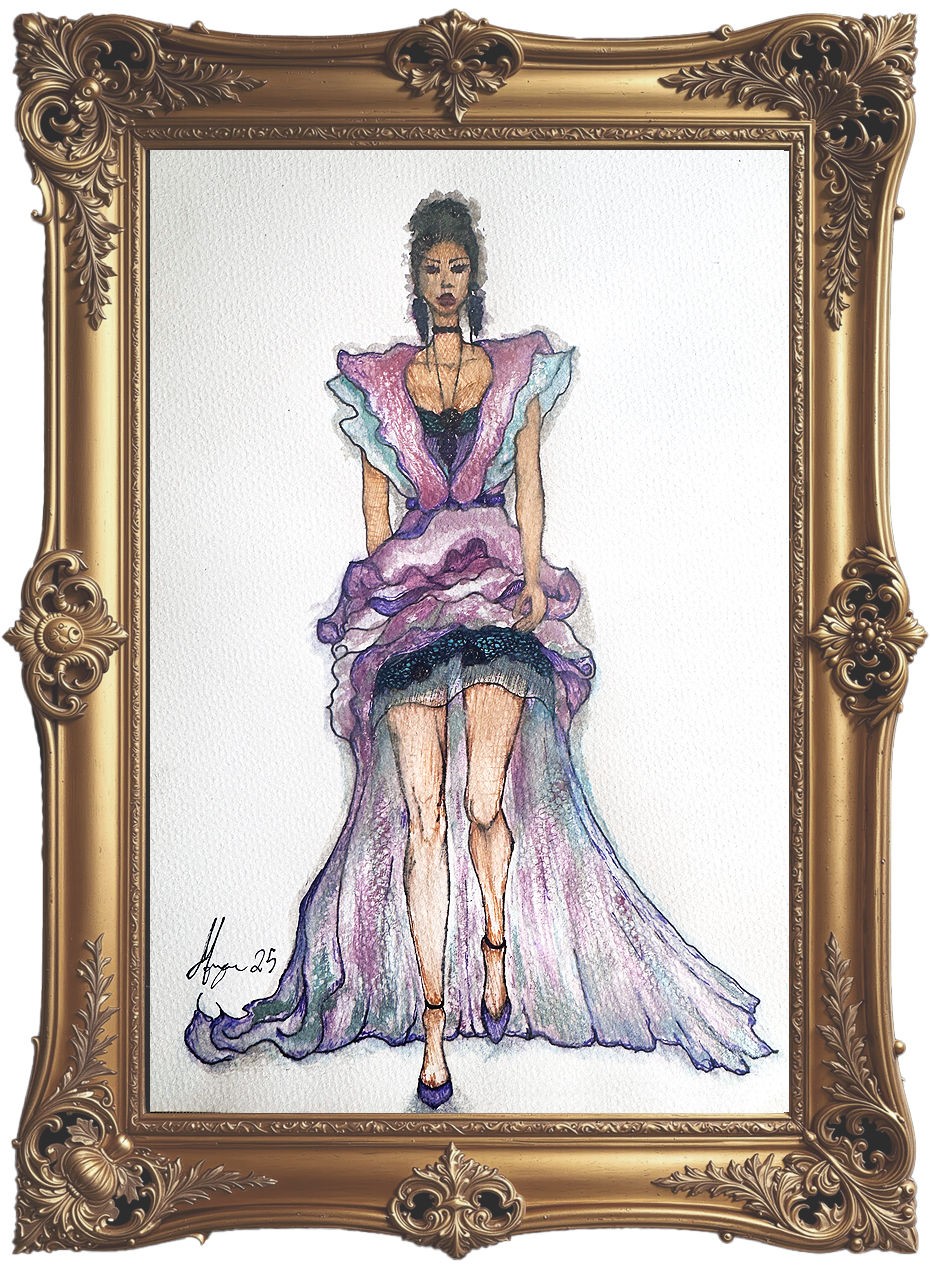
Spring H2O | Ink, colored pencil, watercolor on watercolor paper
My vision for this piece was very flowy and pearlescent to imitate the flow and sparkle of water. I chose light pinks, purples, and teals to emphasize the springtime theme, highlighting how water can reflect its seasonal surroundings. I envision very lightweight fabrics such as silk, lace, mesh, and tulle.
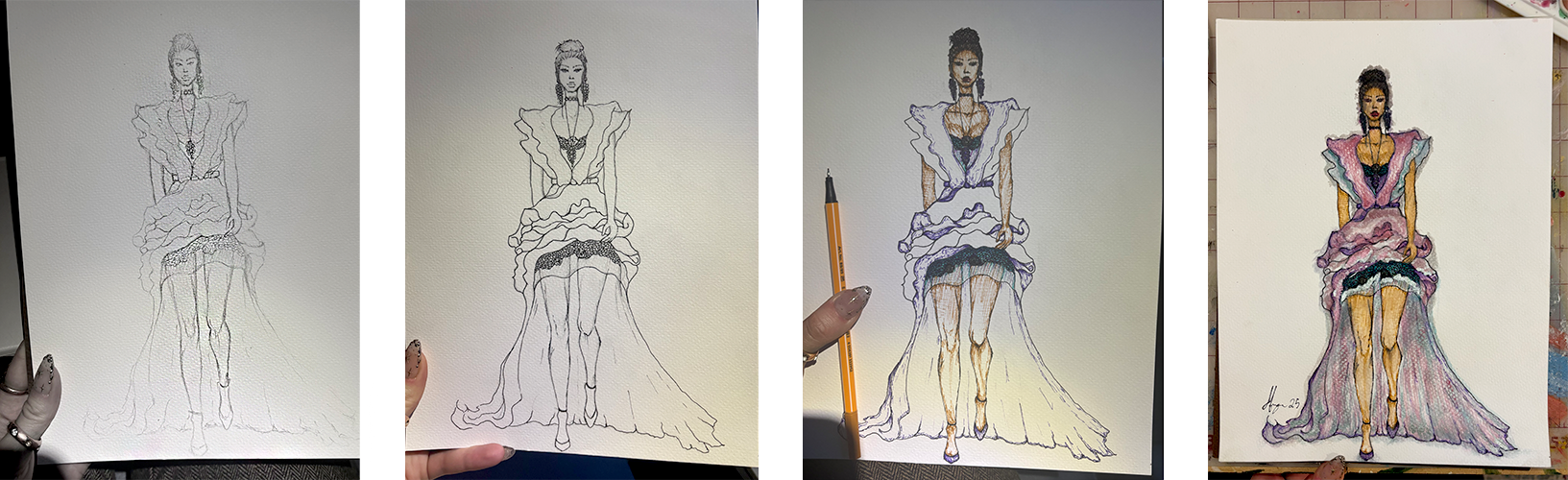
Progress photos: Spring H2O
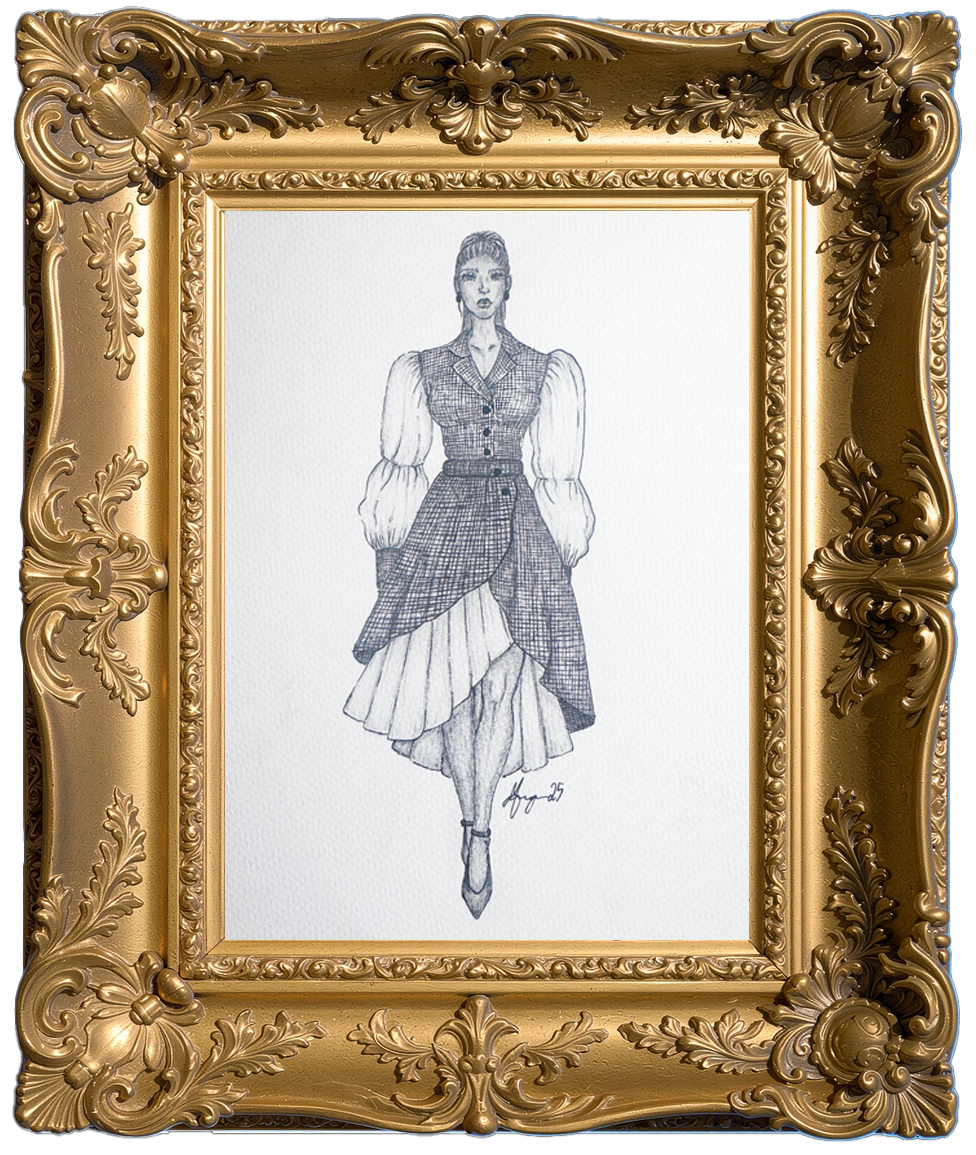
Wrinkle in Time | Ink and pencil on watercolor paper
I envision this piece to be an old yet timeless reflection of fashion. I drew this entirely in greyscale, showing the piece's time period through the absence of color. I envision this with a layered cotton fabric, such as canvas or duck, for a soft and comfortable feel while keeping it heavy to imitate the elegant era of the 1950s.
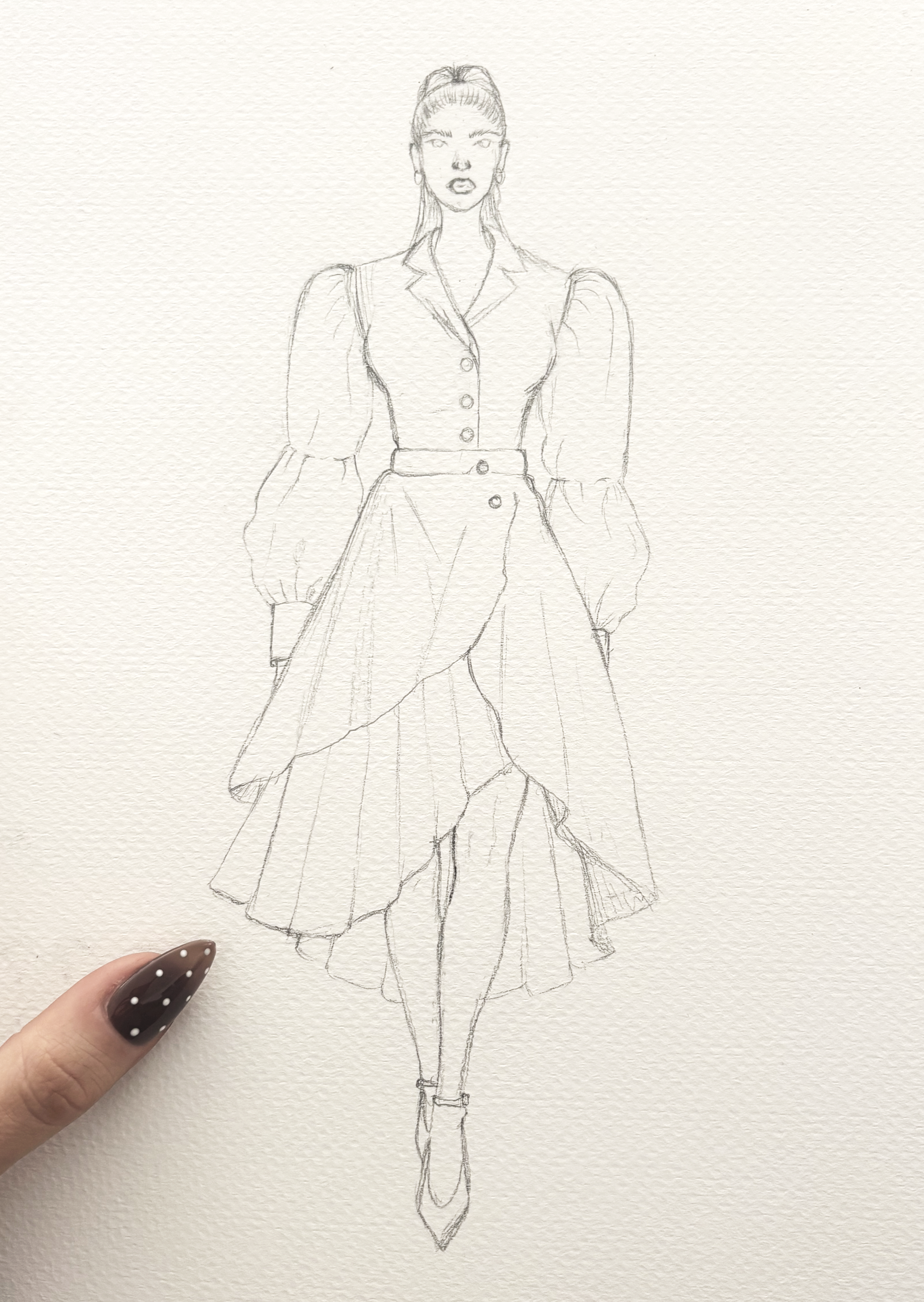
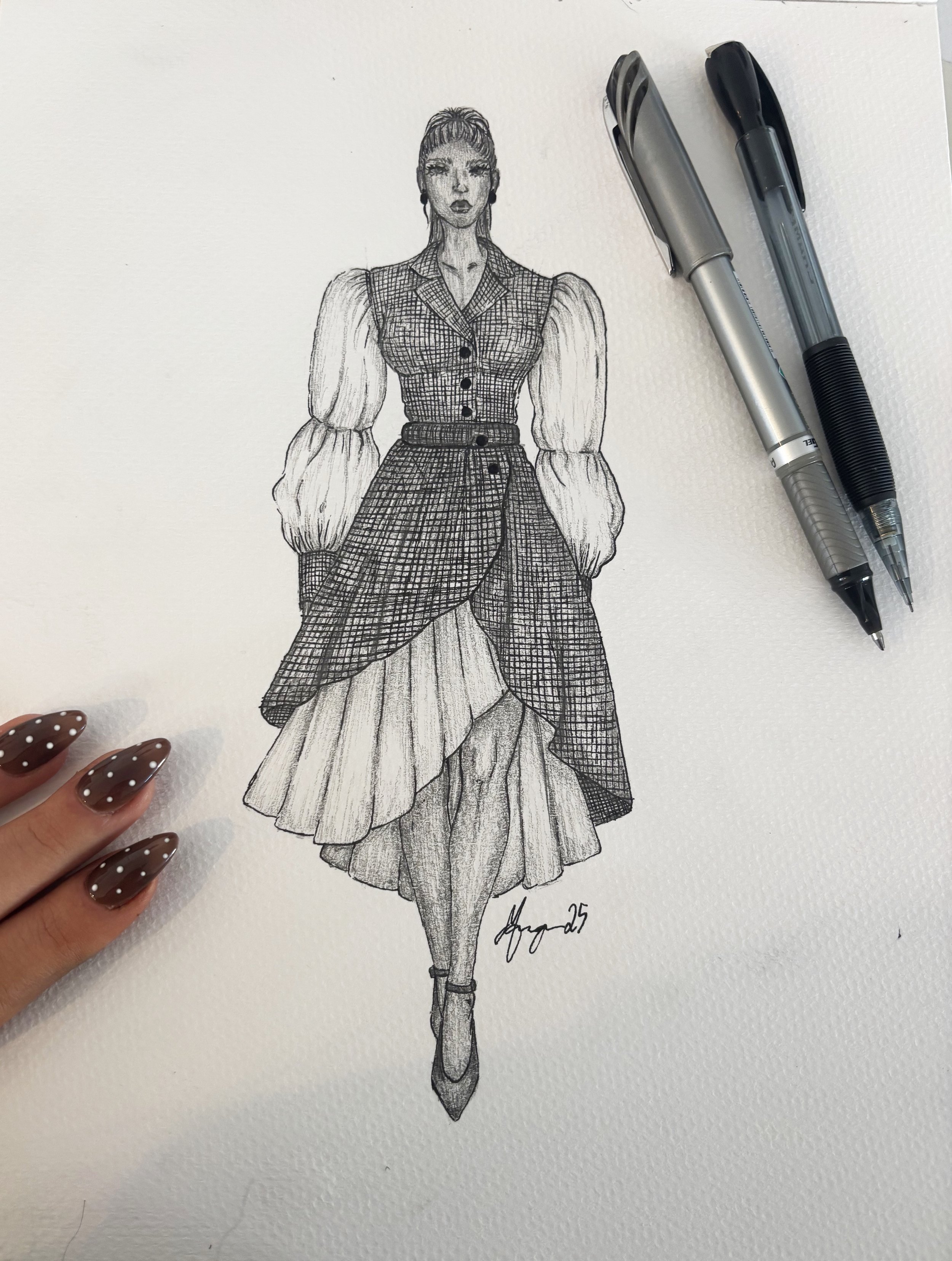
Progress photos: Wrinkle in Time
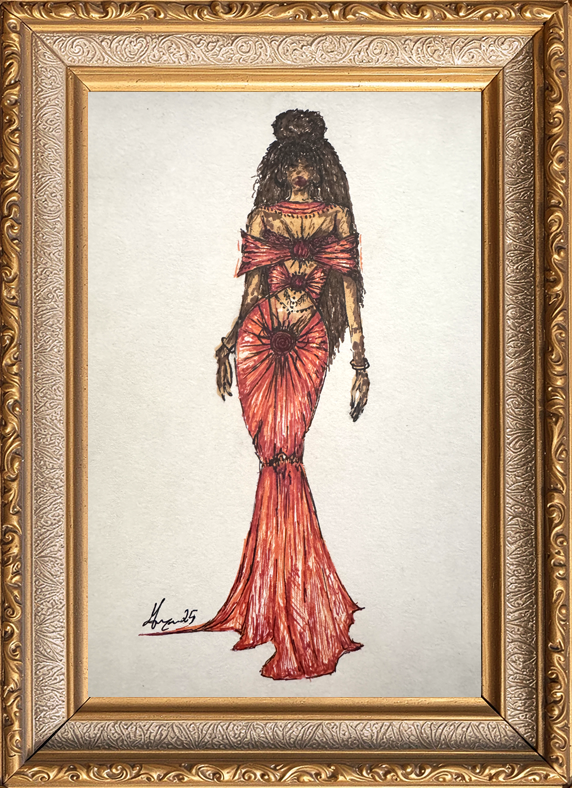
Fireball | Ink and marker on cotton paper
This piece directly reflects fire and lava. It’s flowy and curvy, just as lava flows, while still form-fitting to the woman’s figure, creating an intricate and colorful off-the-shoulder dress. Negative space is created to mimic lava flowing around objects and pooling at the lowest point. I envision this dress as satin with pleated areas throughout.
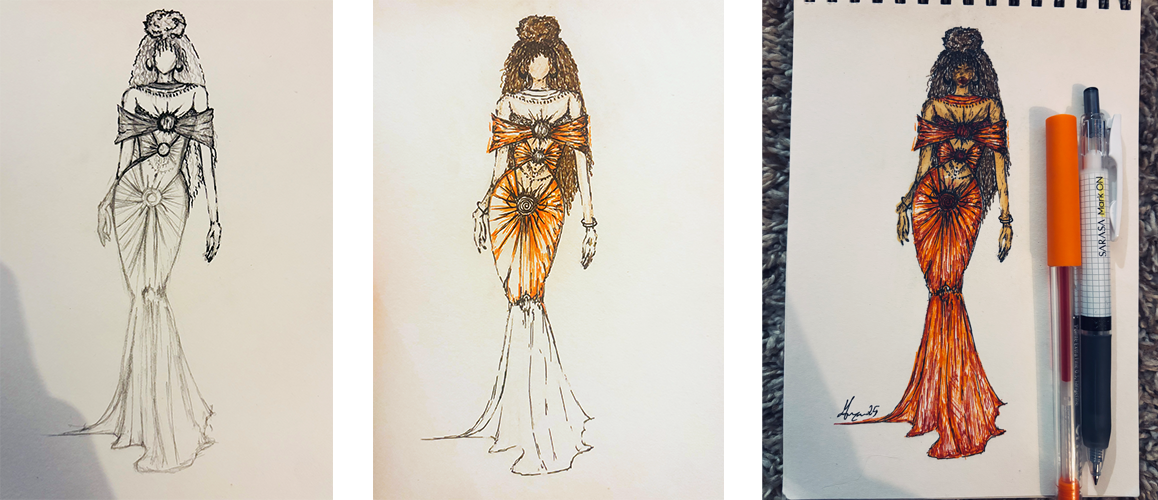
Progress photos: Fireball
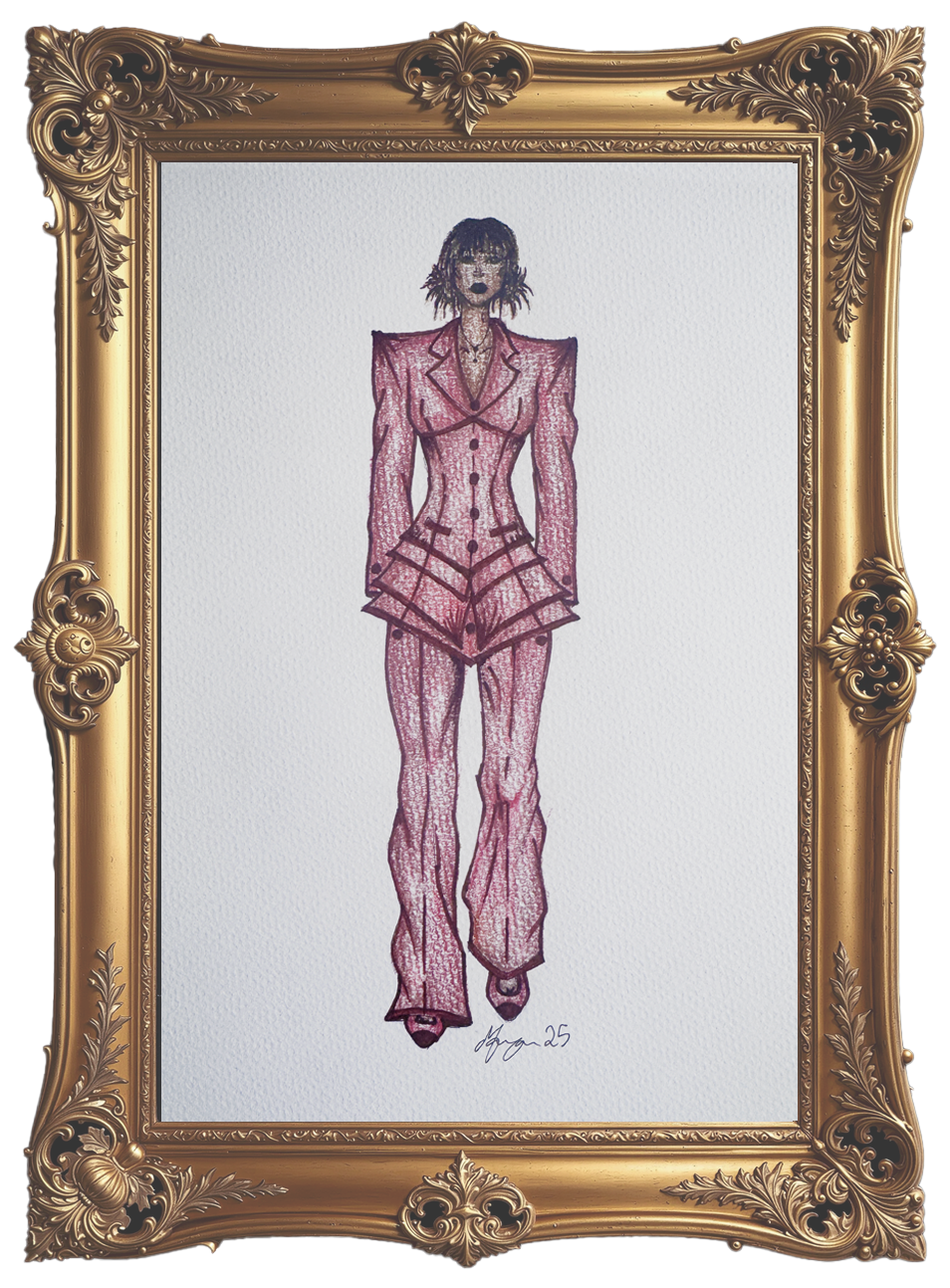
Red Haute | Ink and colored pencil on watercolor paper
This suit set captures a modern take on 90s suit sets, with the layered bust and the high shoulders. I also took slight inspiration from the 90s miniseries character Pennywise, a costume that has many layered pieces and a classic Bordeaux red that signifies confidence and power, much like a woman wearing a suit. This set would be made of wool, with linen blends to make it more breathable and wearable.

Progress photos; Red Haute
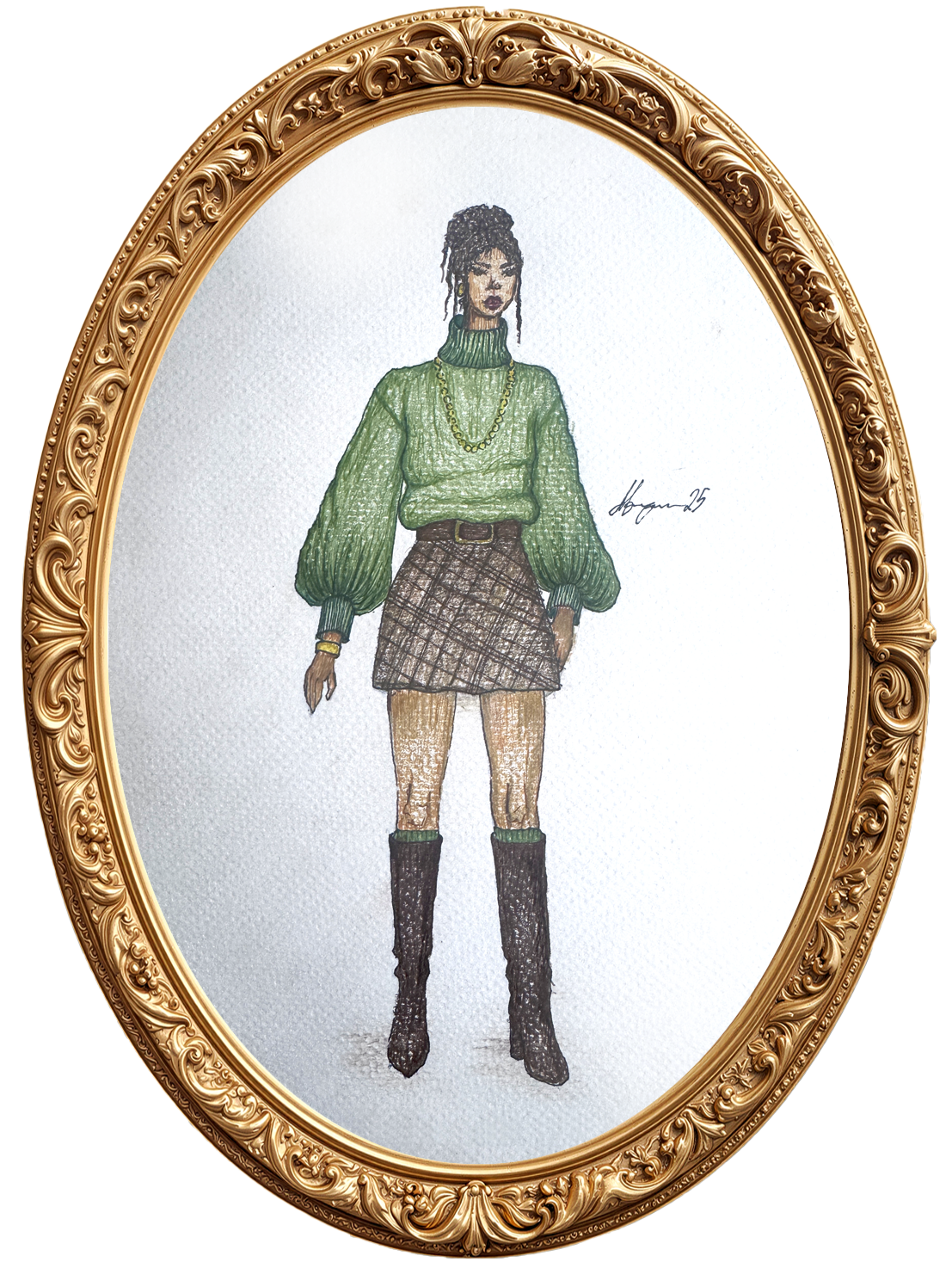
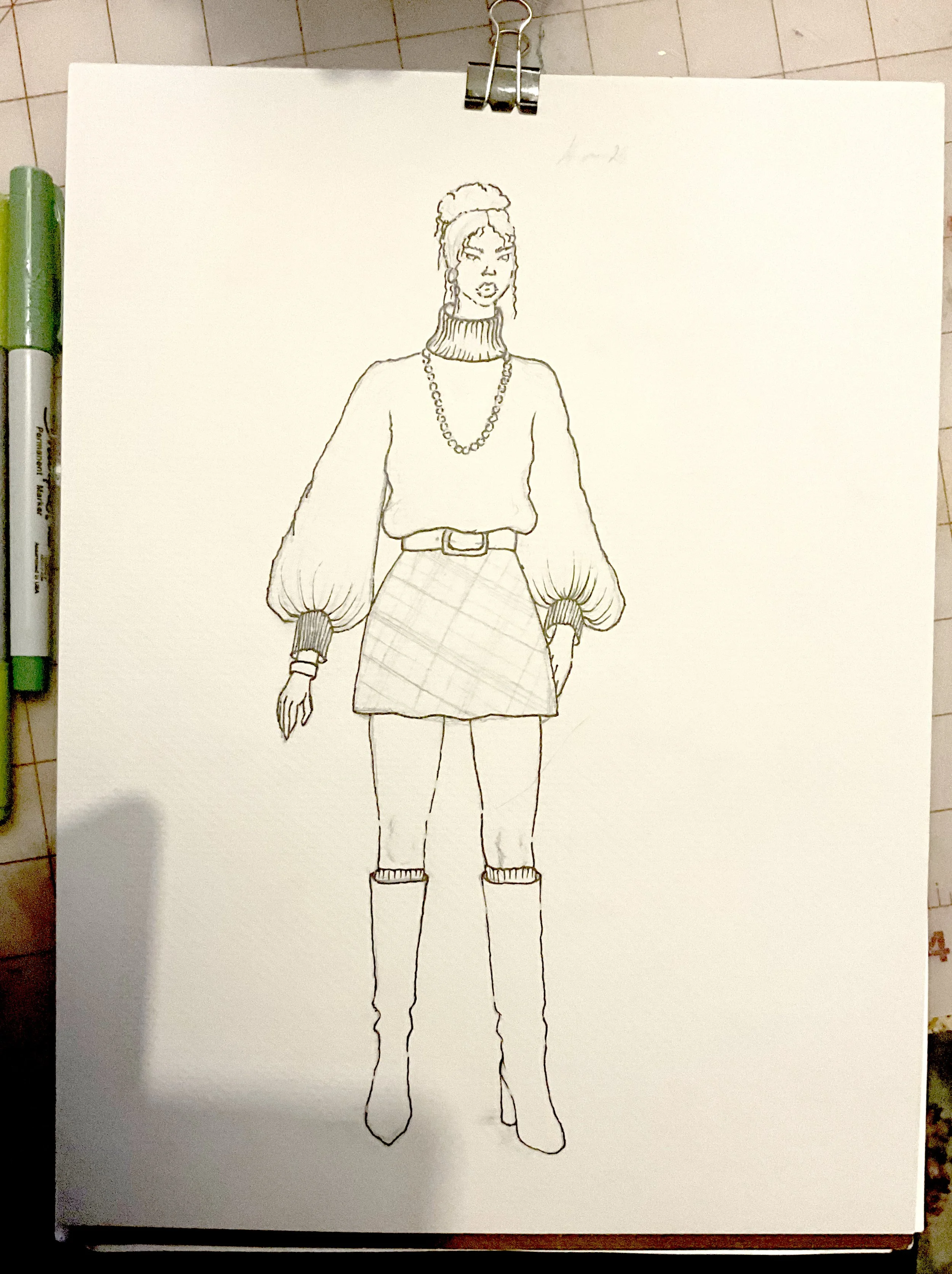
Autumn | Ink and colored pencil on watercolor paper
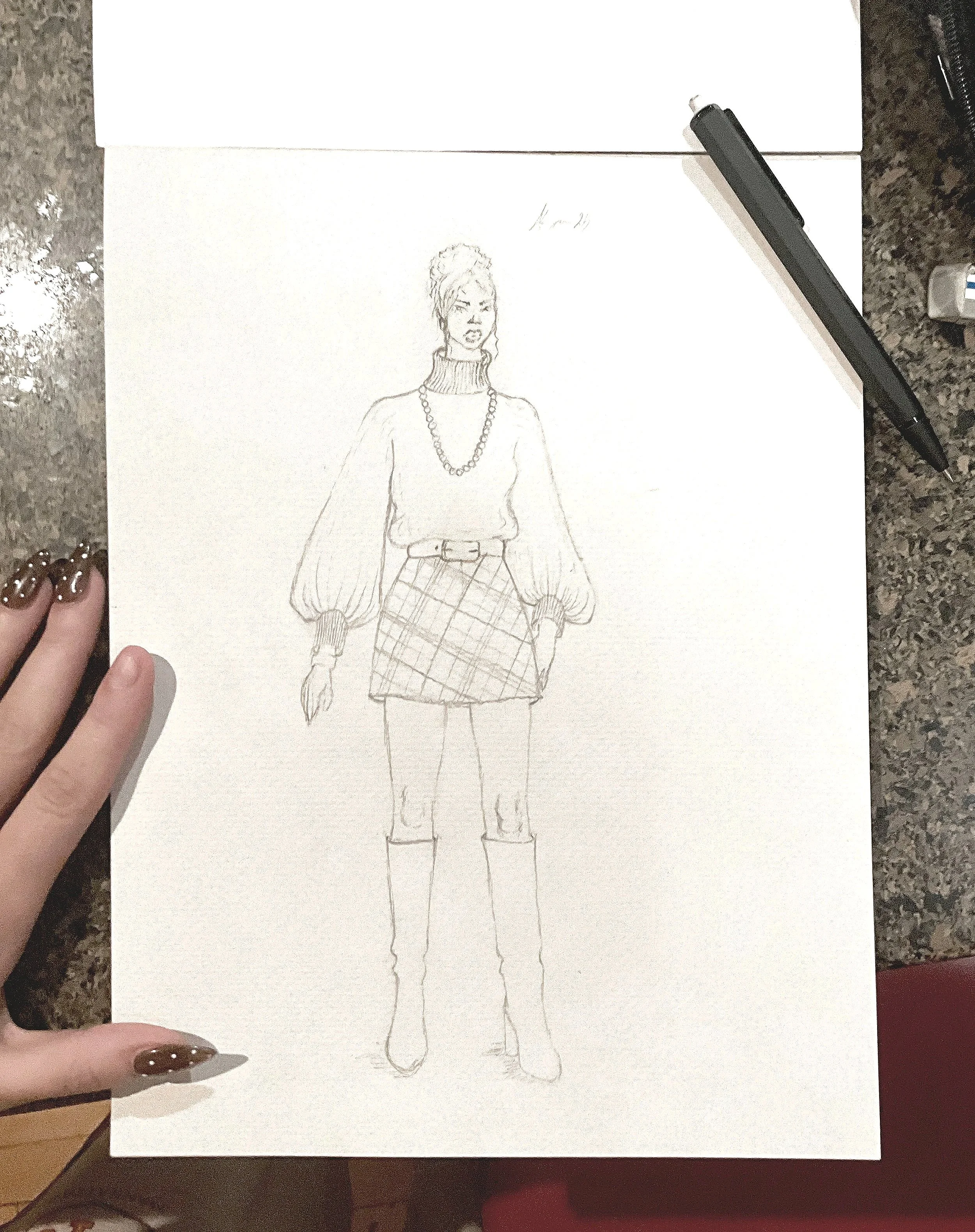
This piece is very modern, something that I would personally buy and wear. The color palette of greens, beige, and browns reflects the colors of early autumn, allowing for a sweater to be paired with a mini skirt. The sweater and socks would be knit wool, and the skirt would be woven wool with a unique plaid pattern. The boots would be made of soft suede to complement the soft materials.
Below | Progress Photos: Autumn
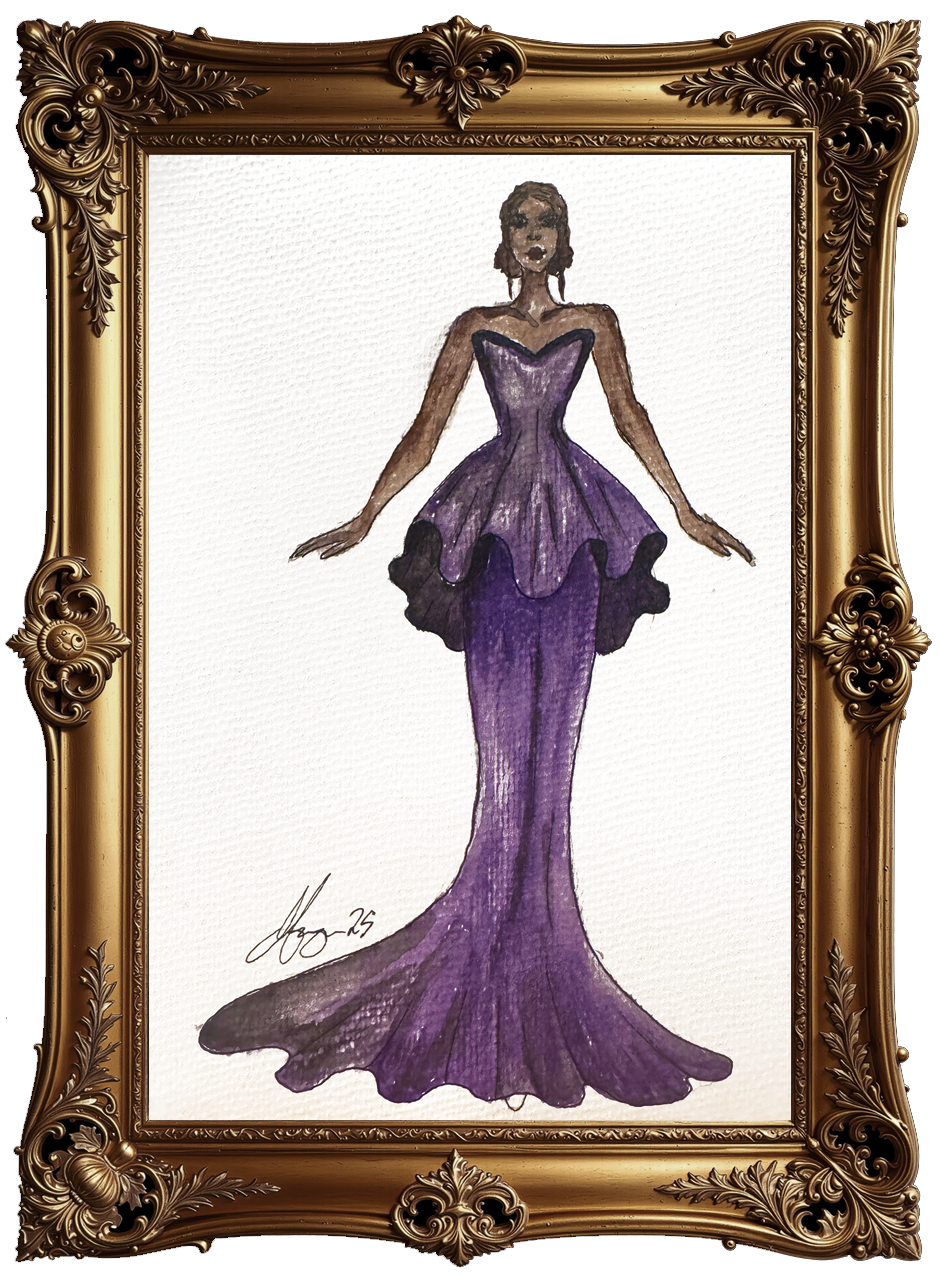
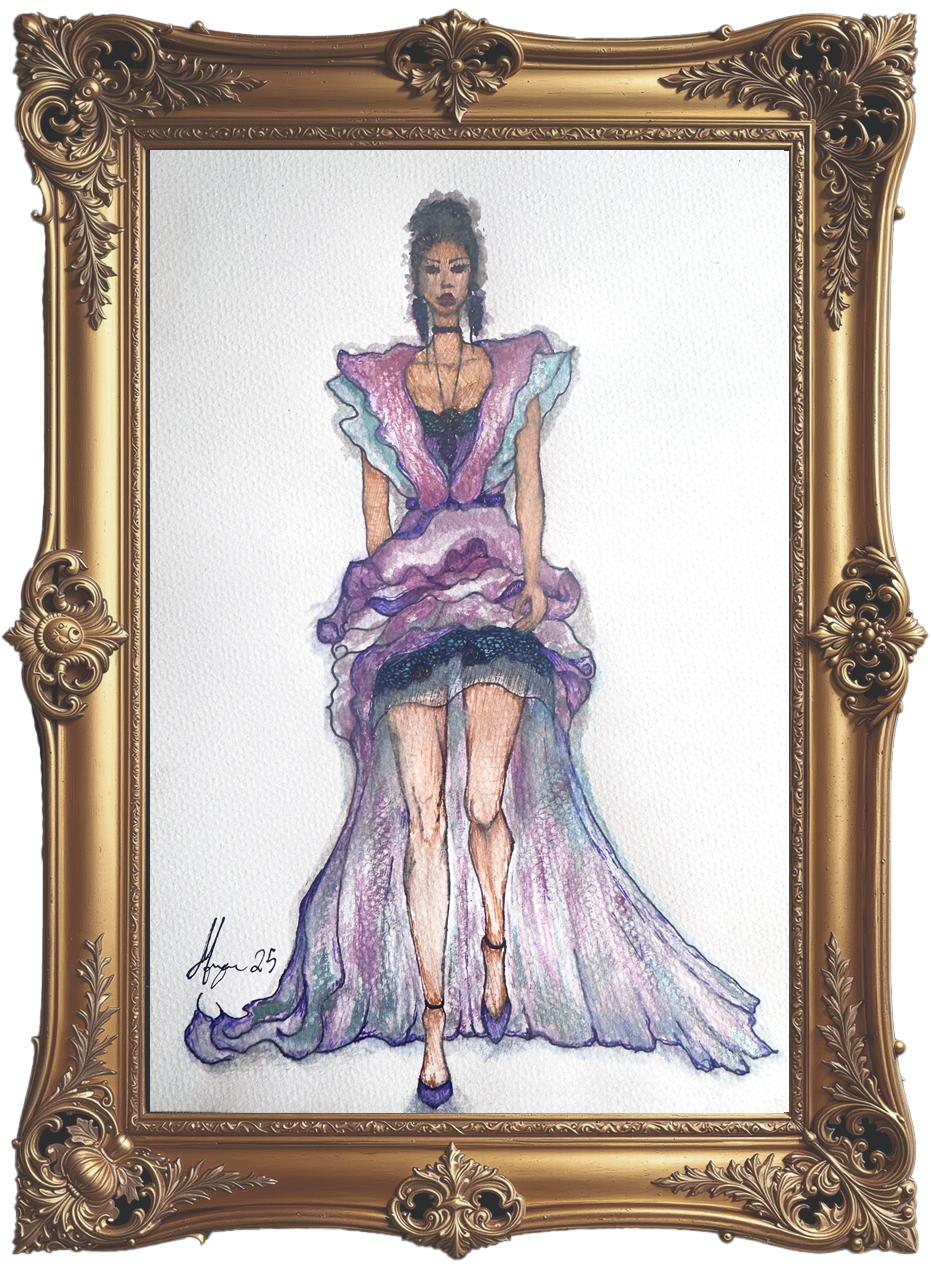
Amethyst | Ink and watercolor on watercolor paper
I created this gown to resemble a clam shell in its form. The shiny purple color resembles the purple pearlescent interior of a clam, with the flowing trail from the waist acting as the water flowing in and out of the clam as it lives. This piece would be made from a sateen-cotton blend to imitate the shine while still giving the dress its structure when pleating or wave-smocking the bust fabric.
Below | Progress photos: Amethyst

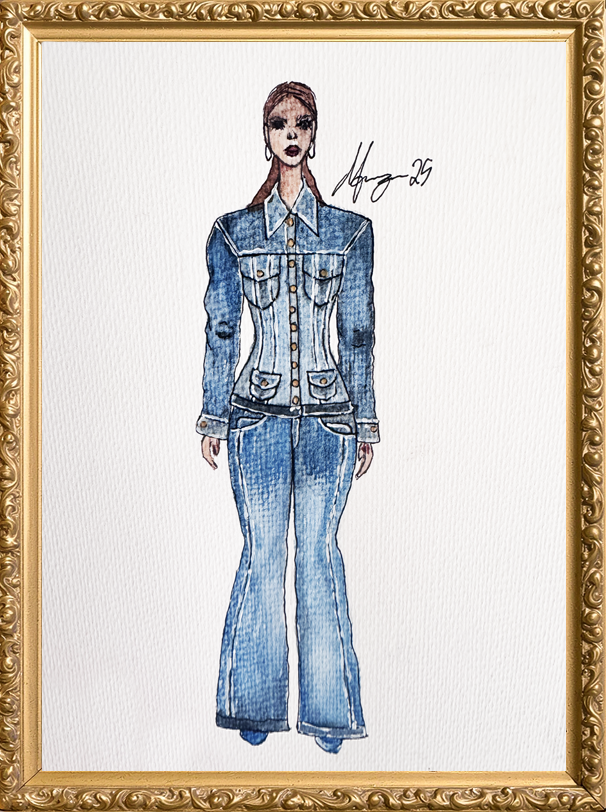
Double Denim | Ink, watercolor, and gel pen on watercolor paper
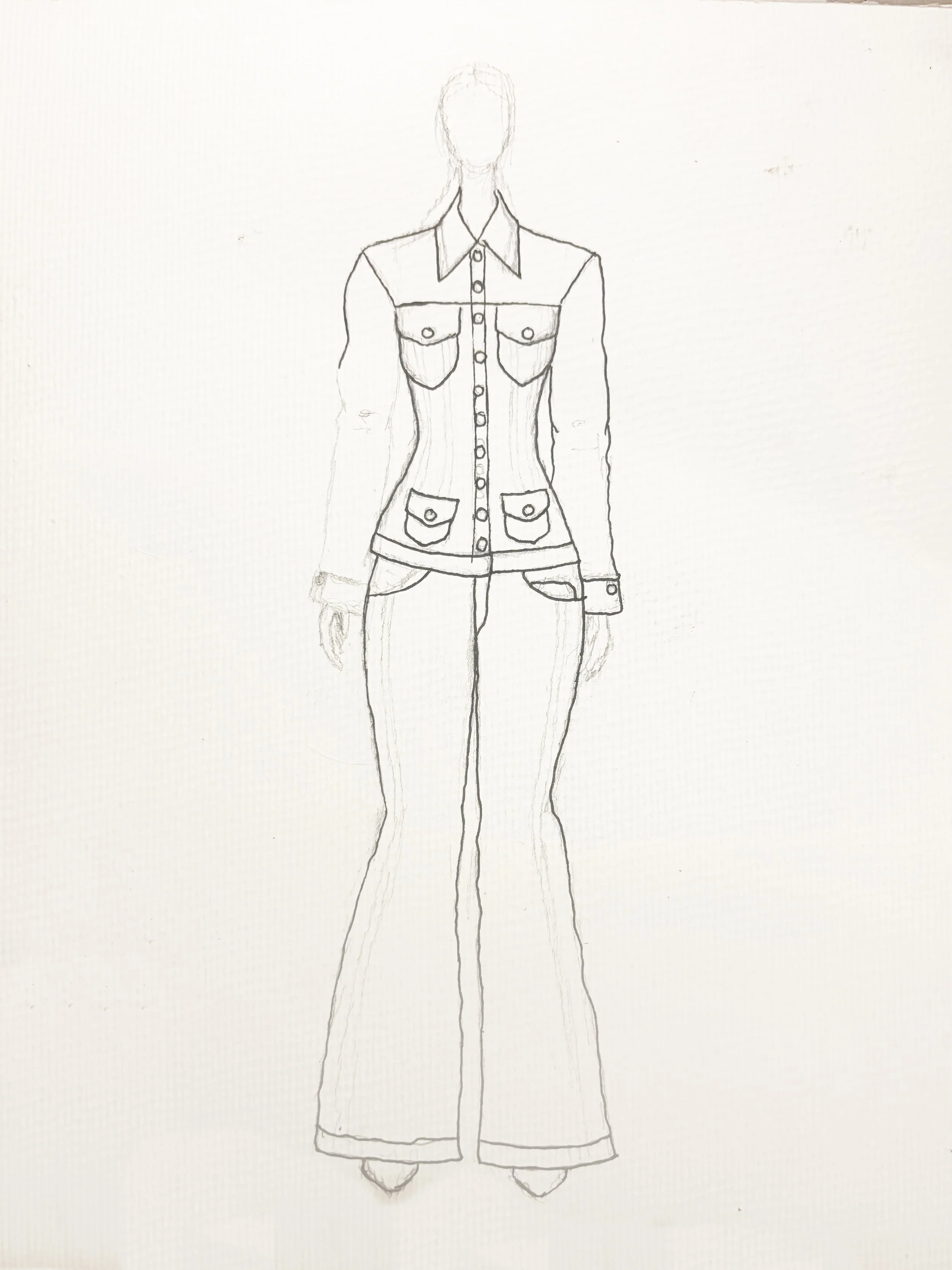
This piece pushed me outside of my normal style boundaries. I love denim, but I’ve never loved the “denim on denim” look that has become so popular. I wanted to create a form-fitting, women’s denim set with micro details such as the white stitching, buttons, and pockets to add character to the monochromatic vision. This would be made from a medium-wash cotton denim, with a white heavy chain stitch around all hems, and copper buttons for contrast and detail.
Below | Progress photo: Double Denim
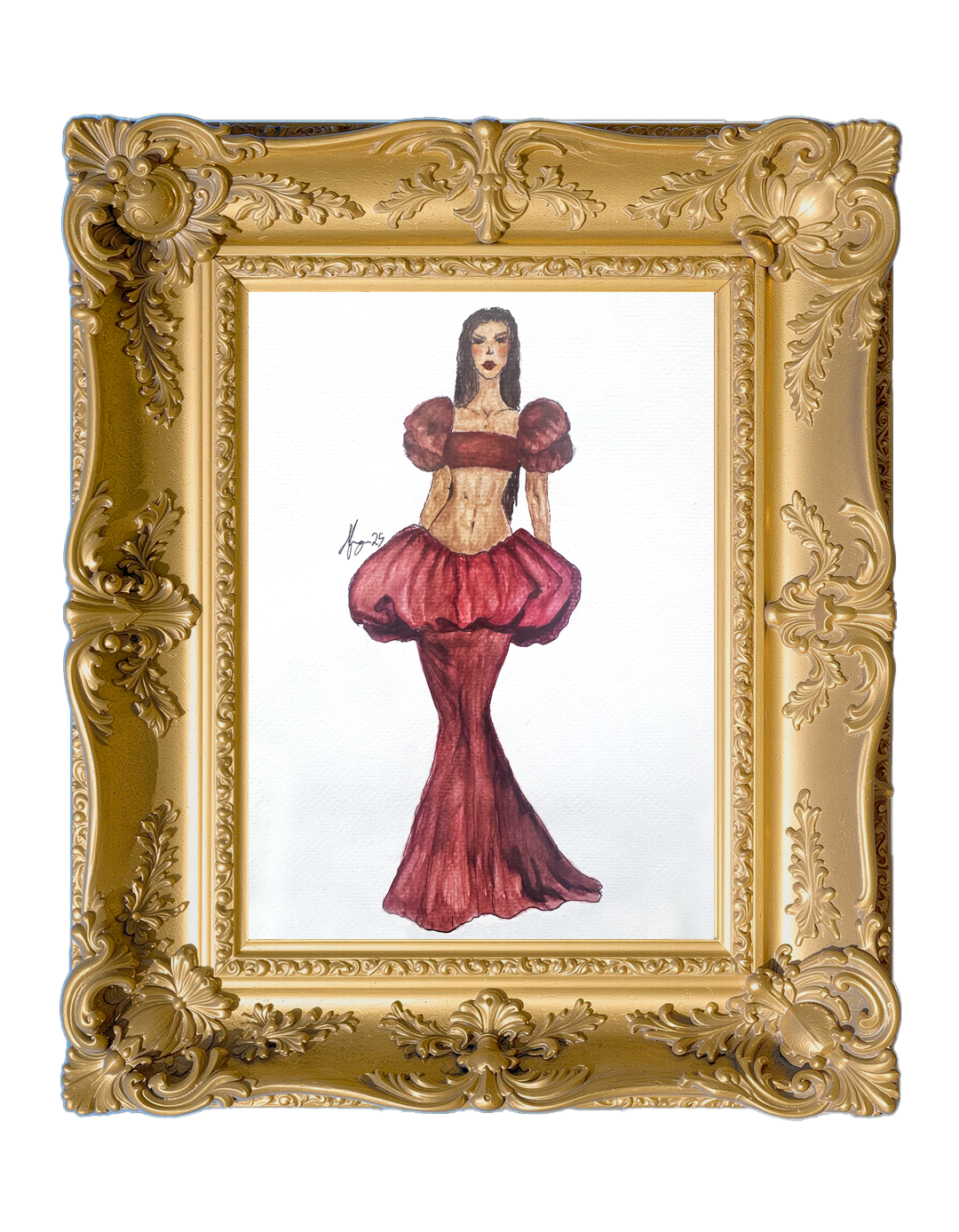
Red Balloon | Ink and watercolor on watercolor paper
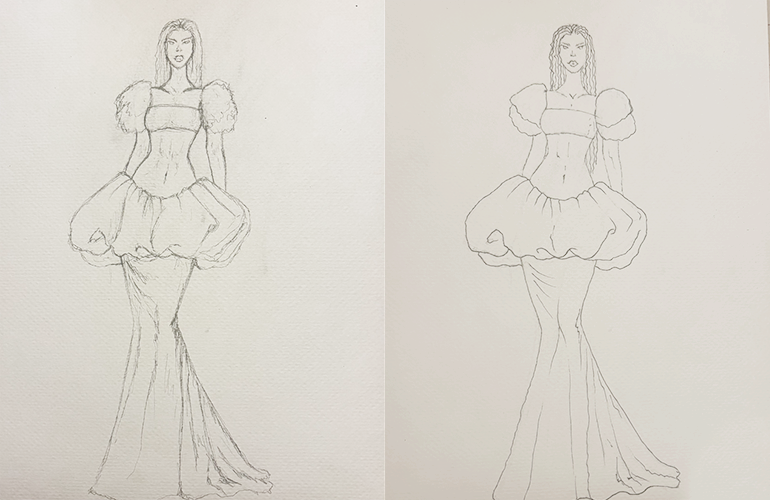
This piece brought me far out of my comfort zone, as I typically don’t like any bubble dresses or skirts. I find that they look like fabric balloons attached to a beautiful dress, which then inspired this look. I've theorized this two-piece satin set, with a bubble skirt and silhouette as the bottom, and a crop top with bubble sleeves to match. I love how a good red satin looks, so I decided to go with a dramatic, deep red.
Below | Progress photos: Red Balloon
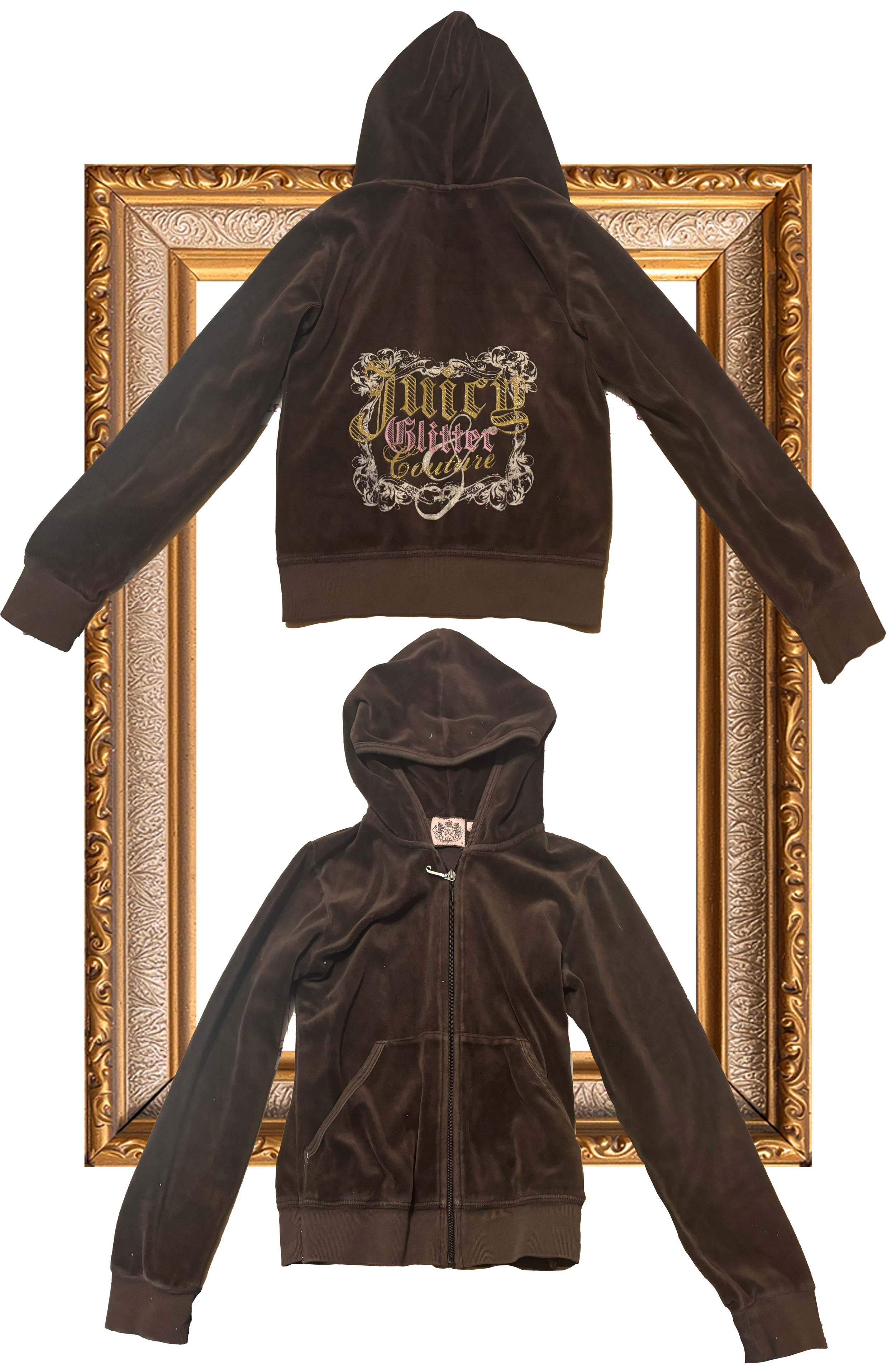
Juicy Couture Jacket
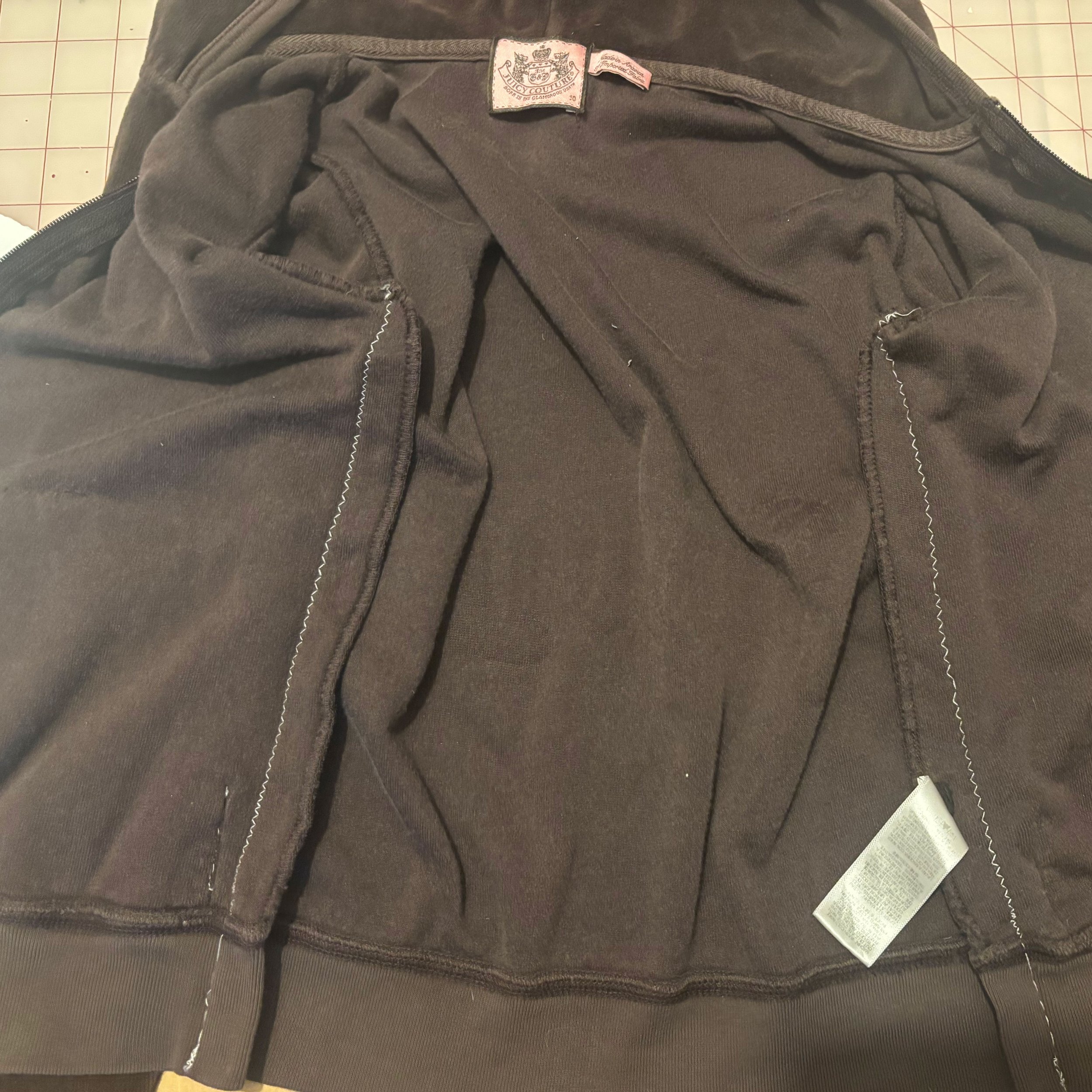
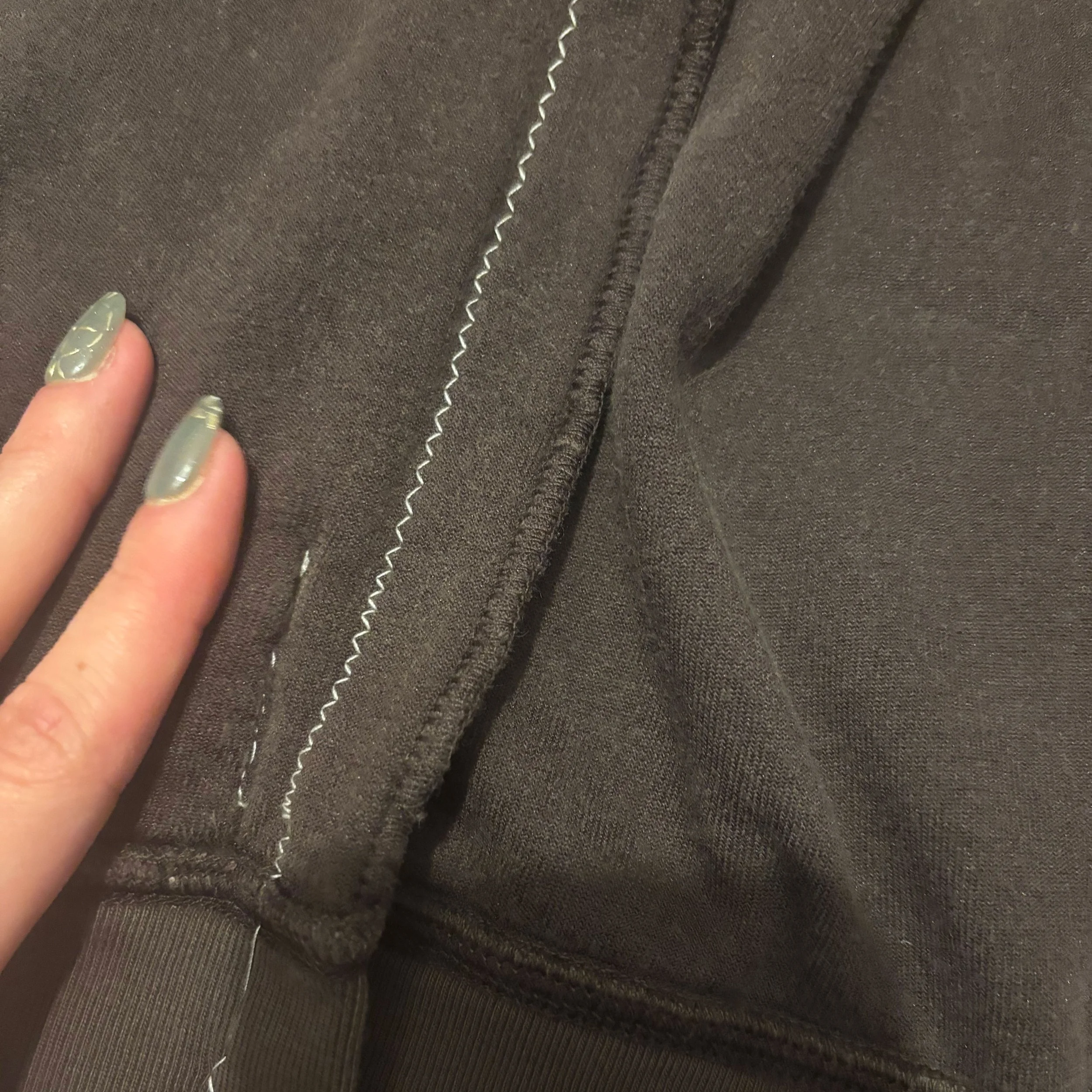
I thrifted this Juicy jacket from the Goodwill bins, but it didn’t fit me the way I'd like. I measured and pinned the jacket in the spots where I wanted them, then used my sewing machine to zigzag-stitch, taking in the waist to make it more form-fitting. I then noticed the pockets were lifting with my corrections, so I hand sewed them back in place using a running stitch with white cotton thread.
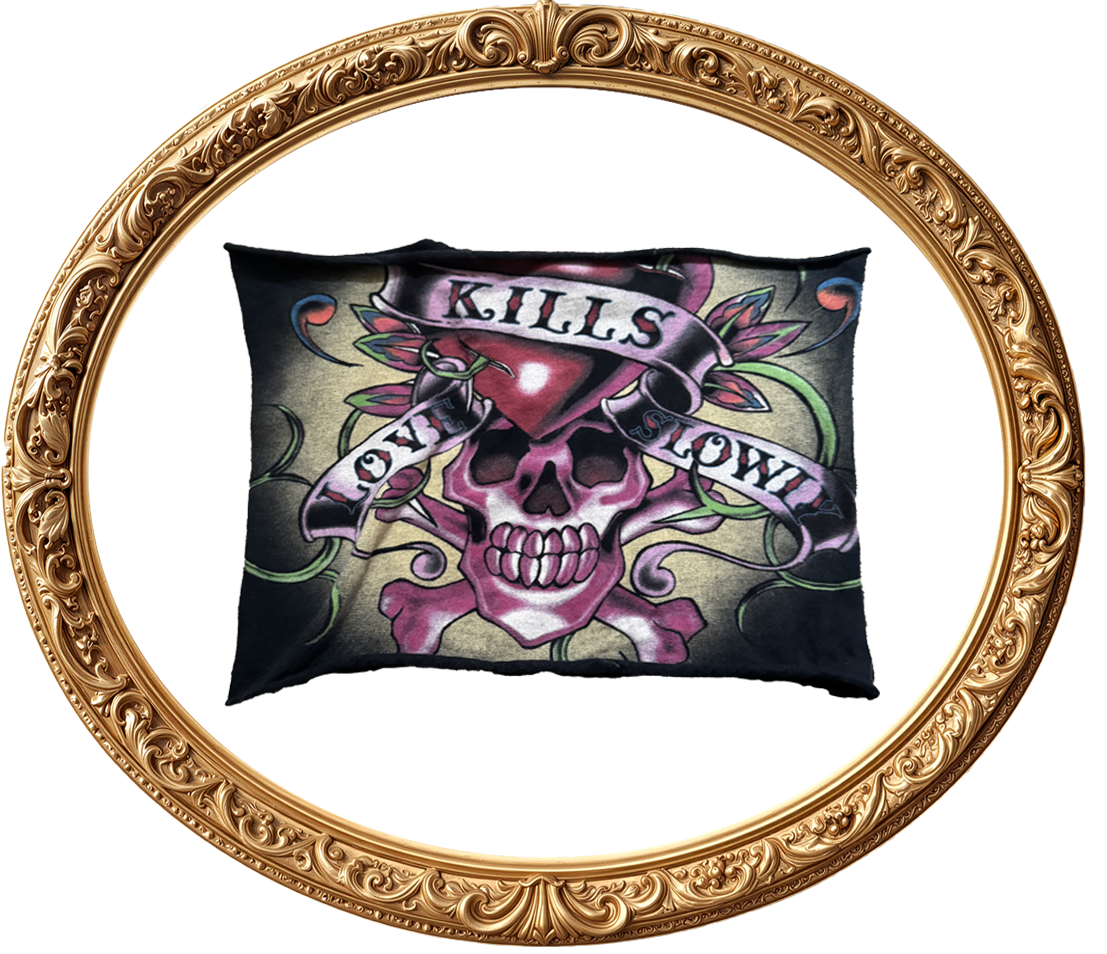
Tube Top
I had an old baggie T-shirt that I didn’t wear, but I loved the design on the front. I decided to upcycle it by cutting it into a single long rectangular piece, then joining it in the back with a sewing machine on the straight stitch setting. I thought about hemming the top and bottom, but ultimately decided that I liked the rolled effect that the cut cotton created.
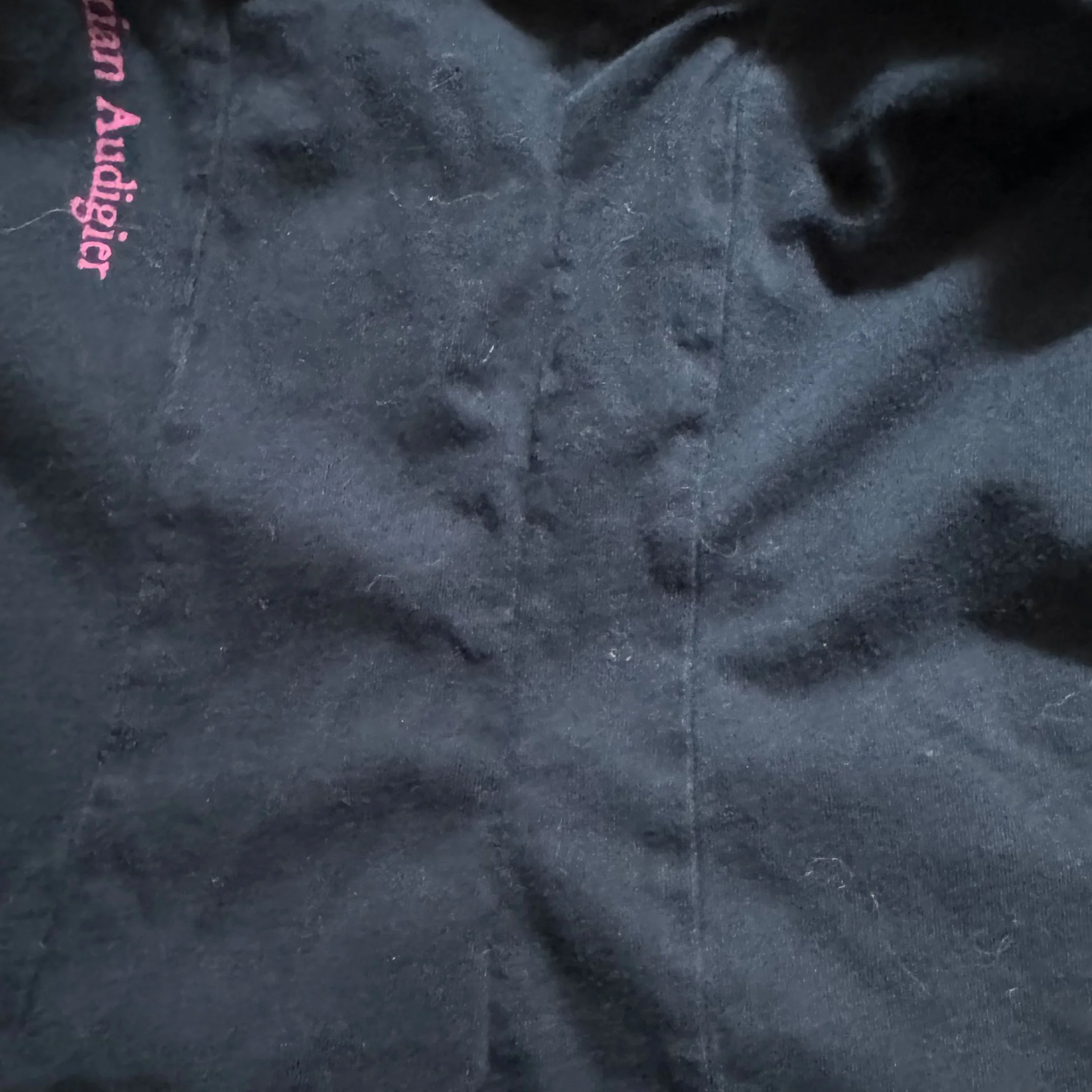
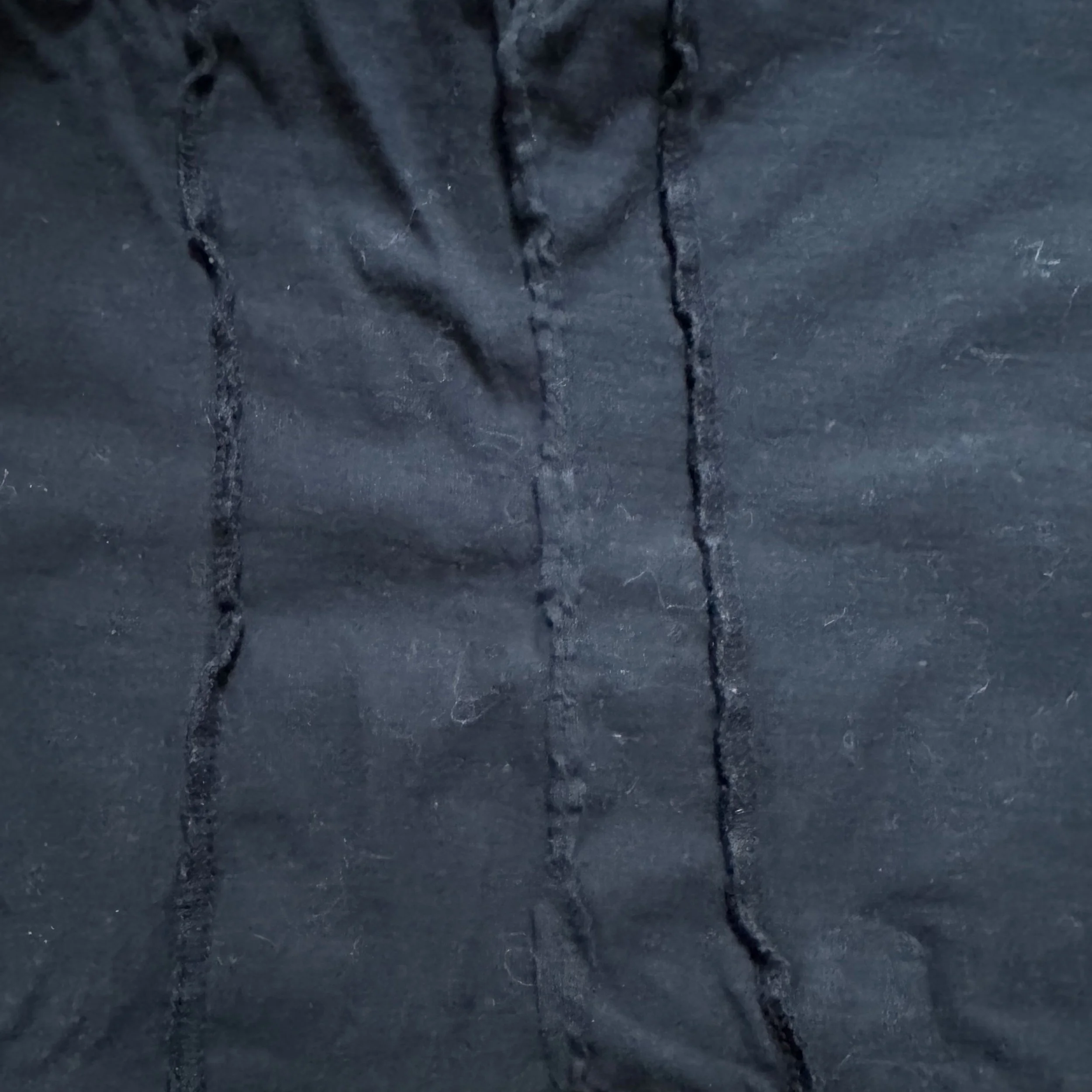

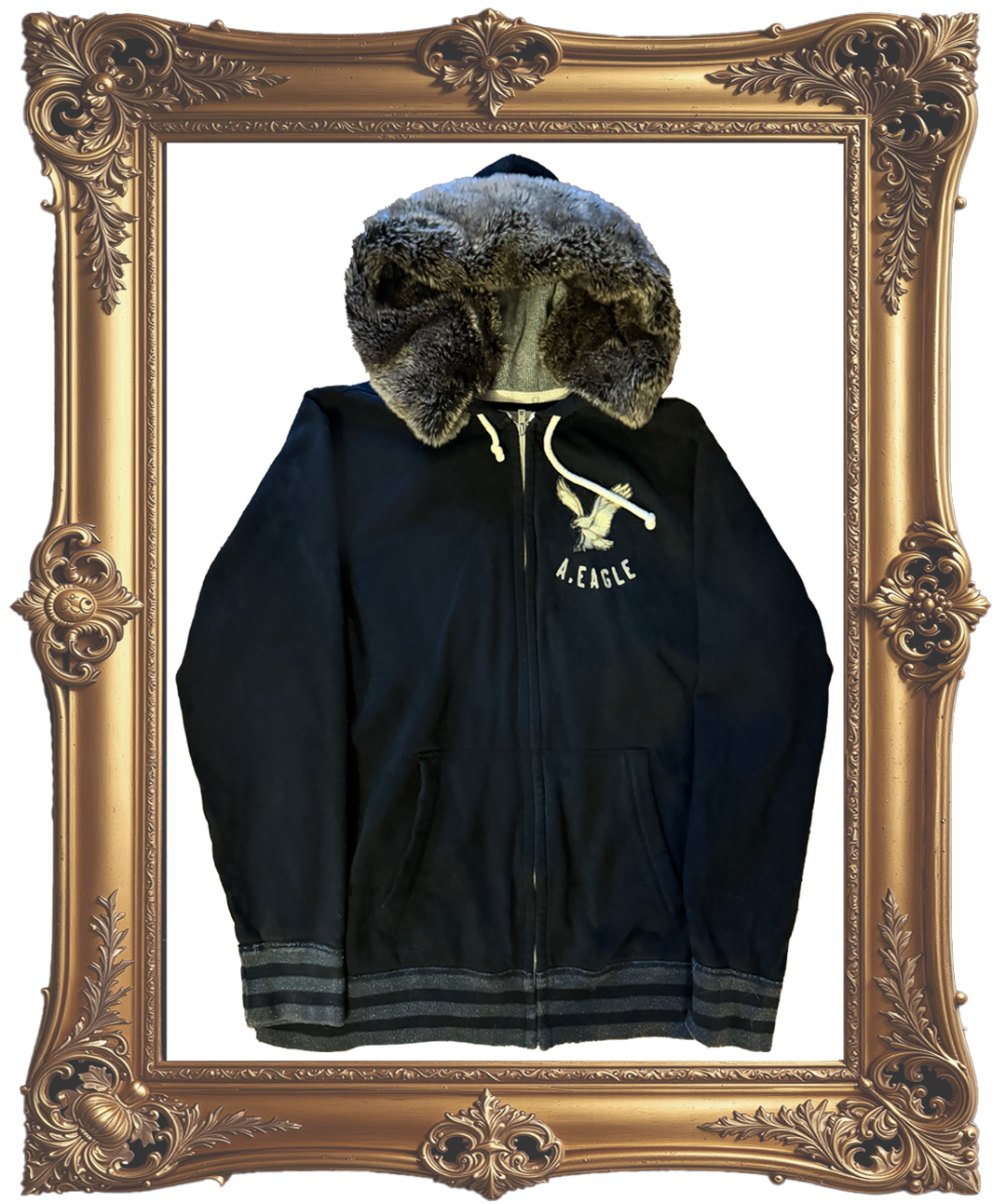
American Eagle Hoodie
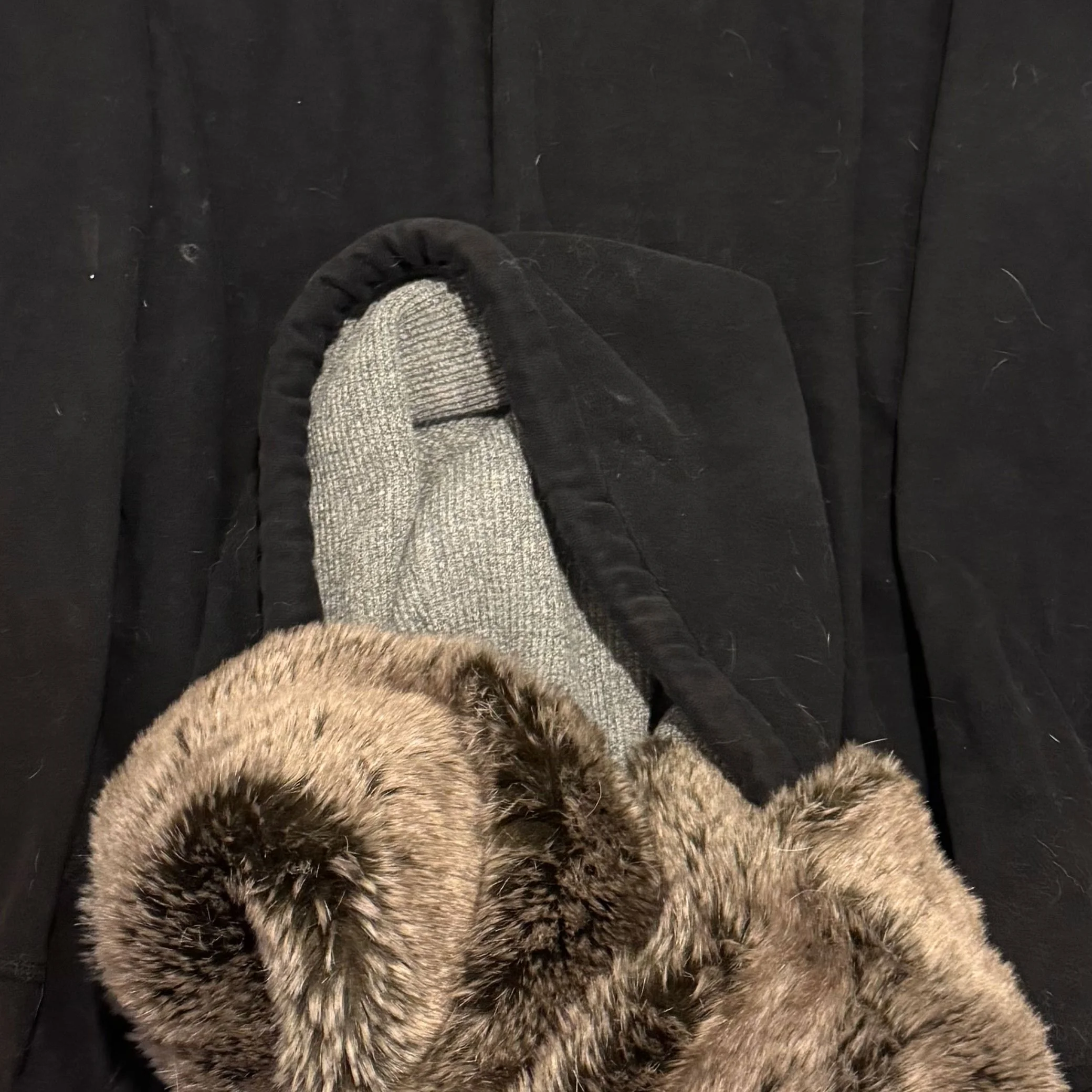
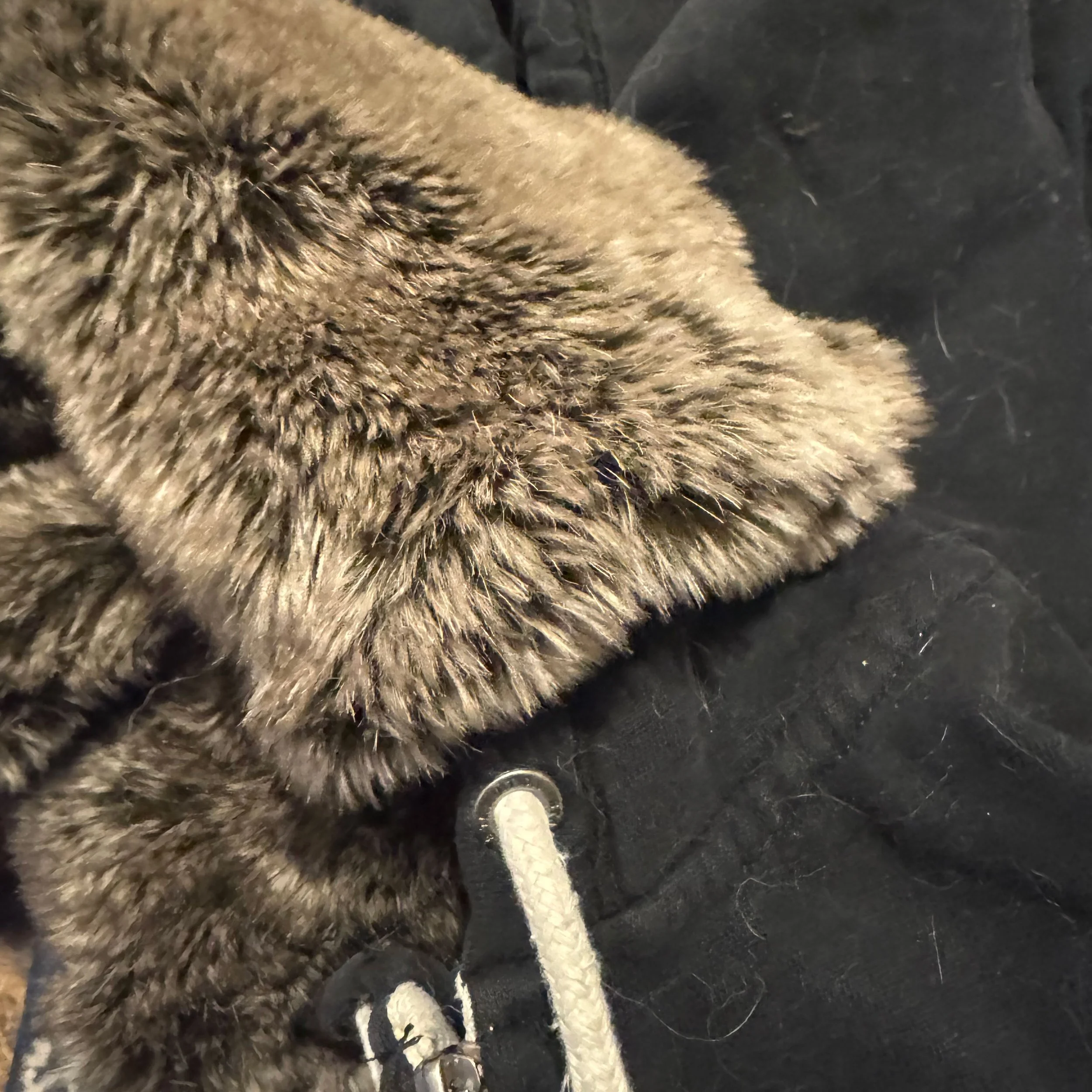
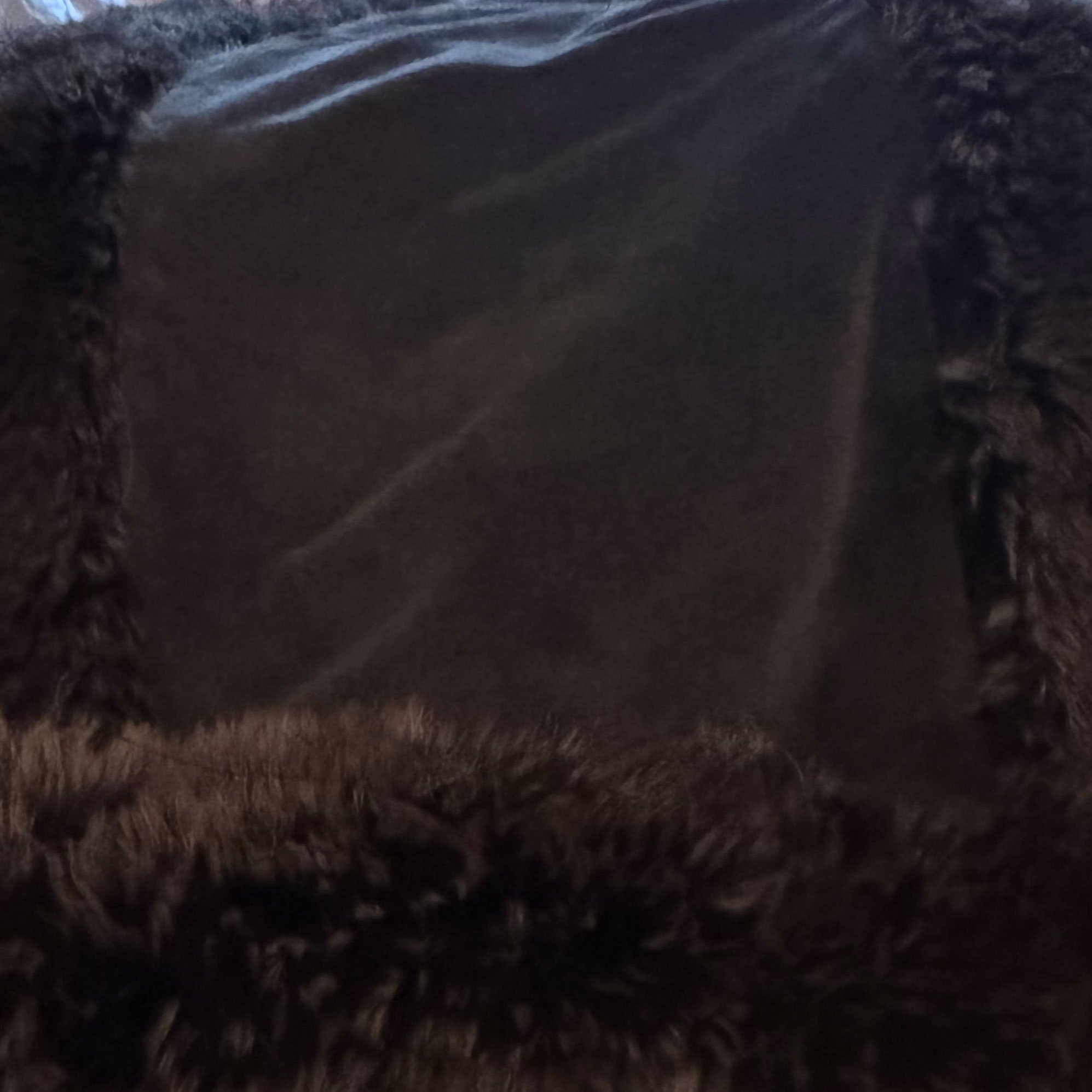
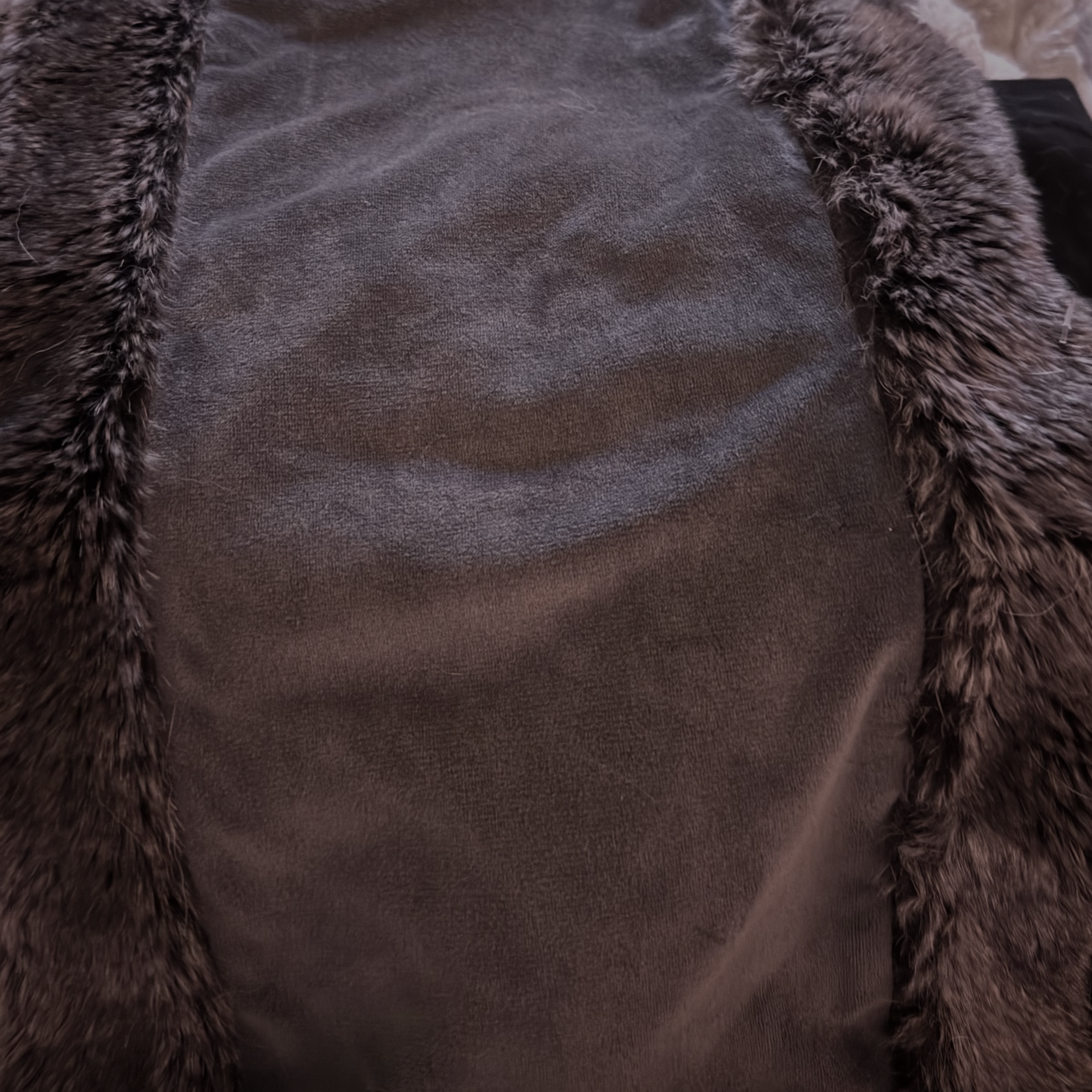
I also thrifted this 2000s American Eagle hoodie, which I envisioned with a fur hood. I bought a Restoration Hardware acrylic fur circle scarf to attach to the hood. I used a running stitch to attach the fur to the hood of the sweatshirt, creating my own take on a 2000s Hollister fur zip-up.
“How do you approach problem-solving through a critical design process?”
When creating a piece of art, there are multiple steps you have to take before you reach a finished product. First, I start with an inspiration, which for me comes in many different forms. This could be a piece of clothing I've thrifted, a look I see someone wearing online or out in the world, or from a fondness for one specific aspect of a look that I build around. Now, I draw on my inspiration to create a vision. For me, I do this through sketching or painting. I sketch my vision and refine it until I reach a prototype that captures my inspiration. Now this process might sound easy, but it doesn’t always come to me overnight, and there have been times when I’ve struggled to find inspiration. That’s the most significant part of a creation, in my opinion, having an idea, then executing the idea.
Once I have a vision, whether it's on paper or pinned to a dress form, I begin planning the logistics and details to make it a reality. After I have a complete sketch then I make decisions such as what fabric do i want my piece to be made from, then what color am i going to dye the fabric, then take measurements to begin the sewing process, which leads into me into pinning my fabric to a dress form to see my vision coming to life, then deciding what stitches I'm going to use, if I'm going to be using a machine or just hand sewing, and how I'm going to accomplish forming the fabric into my vision.
These steps differ depending on what I'm working with. If I'm taking in a shirt, then I won't sketch out my vision or spend time debating on which fabric to use. Still, if I am making my prom dress, then I will take ample time and follow every step of my routine to a T. When or if I get stuck on a step, I always know that it's okay to ask others for feedback, input, or help, as I can’t always bring my vision to life on my own.